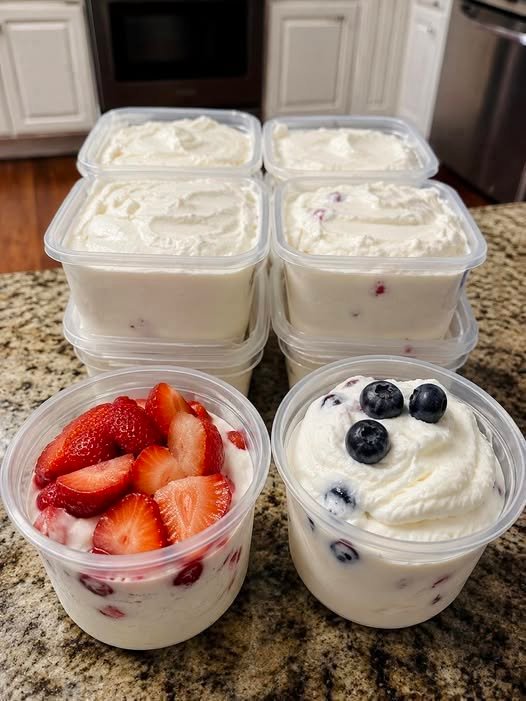
If you’re looking for a healthier alternative to traditional ice cream, this Low-Point Yogurt Ice Cream is an excellent choice. Made with Greek yogurt instead of heavy cream, it’s creamy, refreshing, naturally high in protein, and significantly lower in calories and fat than classic ice cream. Whether you’re following a weight-management plan or simply want a lighter dessert, this recipe delivers satisfying flavor and texture without relying on large amounts of sugar or cream.
This recipe works well with an ice cream maker, but I’ve also included a no-churn method so anyone can make it at home. You can customize it with fruit, cocoa powder, spices, or sugar-free mix-ins to suit your preferences.
Low-Point Yogurt Ice Cream Recipe
Yield
- Makes: 6 servings
- Serving Size: Approximately ½ cup (120 ml)
Preparation Time
- Prep Time: 15 minutes
- Chill Time: 2–4 hours
- Churning Time: 20–25 minutes
- Freeze Time: 2 hours
- Total Time: Approximately 5 hours
Ingredients
Base
- 2 cups (500 g) non-fat plain Greek yogurt
- 1 cup unsweetened almond milk (or skim milk)
- ¼ cup granulated zero-calorie sweetener (erythritol, monk fruit, or your preferred substitute)
- 2 tablespoons sugar-free vanilla pudding mix (helps improve texture)
- 1 teaspoon vanilla extract
- ¼ teaspoon fine salt
Optional Creaminess Booster
- 1 tablespoon light cream cheese, softened
- OR
- 1 tablespoon plain low-fat cream cheese
This small amount helps reduce iciness while keeping the dessert relatively low in calories.
Optional Flavor Variations
Strawberry
- 1 cup diced fresh strawberries
Blueberry
- ¾ cup blueberries
Mango
- ¾ cup diced ripe mango
Chocolate
- 2 tablespoons unsweetened cocoa powder
Lemon
- 1 tablespoon lemon zest
- 2 teaspoons lemon juice
Coffee
- 2 teaspoons instant espresso powder
Cookies & Cream
- 2 crushed low-calorie chocolate sandwich cookies
Equipment Needed
- Large mixing bowl
- Whisk
- Measuring cups
- Rubber spatula
- Ice cream maker (recommended)
- Freezer-safe airtight container
- Parchment paper or plastic wrap
Step 1: Prepare the Yogurt Base
Add the Greek yogurt to a large bowl.
Greek yogurt forms the foundation of this recipe because it contains less water than regular yogurt, making the finished ice cream creamier.
Whisk until completely smooth.
Step 2: Add the Milk
Slowly pour in the almond milk while whisking.
The milk loosens the yogurt slightly, making it easier for the mixture to churn evenly.
Continue whisking until silky smooth.
Step 3: Add Sweetener
Sprinkle in the zero-calorie sweetener.
Mix for about 2 minutes until dissolved.
Taste the mixture.
Remember that frozen desserts taste less sweet than room-temperature mixtures, so it should taste slightly sweeter before freezing.
Step 4: Add Flavoring
Stir in:
- Vanilla extract
- Salt
- Sugar-free pudding mix
If using cream cheese, whisk it until fully incorporated.
The pudding mix contains stabilizers that help create a softer, smoother texture while minimizing ice crystals.
Step 5: Chill the Mixture
Cover the bowl.
Refrigerate for at least 2 hours.
A well-chilled base freezes faster, resulting in smaller ice crystals and a creamier texture.
Step 6: Churn
Pour the chilled mixture into an ice cream maker.
Churn according to the manufacturer’s instructions.
Most machines require between 20 and 25 minutes.
The mixture should resemble soft-serve ice cream when finished.
Step 7: Add Mix-Ins
During the last 2–3 minutes of churning, fold in any mix-ins such as:
- Strawberries
- Chocolate chips
- Blueberries
- Crushed cookies
- Mini marshmallows
- Chopped peaches
Avoid adding watery fruit too early, as it can affect the texture.
Step 8: Freeze
Transfer the churned ice cream into a freezer-safe container.
Smooth the top with a spatula.
Press parchment paper directly onto the surface to reduce ice crystal formation.
Freeze for 2–3 hours for a firmer scoop.
No-Churn Method
If you don’t own an ice cream maker:
- Prepare the yogurt mixture as directed.
- Pour it into a freezer-safe container.
- Freeze for 45 minutes.
- Remove and stir vigorously with a fork or whisk.
- Return to the freezer.
- Repeat every 30–45 minutes for about 3 hours.
Frequent stirring helps break up ice crystals and produces a smoother consistency.
Serving Suggestions
Serve your yogurt ice cream with:
- Fresh berries
- Sliced bananas
- Sugar-free chocolate syrup
- Toasted almonds
- Chopped pistachios
- Cinnamon
- Unsweetened coconut flakes
- Fresh mint leaves
For a fun dessert, layer it with fruit in a glass to create a yogurt ice cream parfait.
Storage Tips
Store the ice cream in an airtight container.
It will keep well in the freezer for up to 2 weeks.
Because this recipe contains less fat and fewer stabilizers than commercial ice cream, it may freeze quite firm.
Allow it to sit at room temperature for 5–10 minutes before scooping.
Tips for the Best Texture
- Use thick Greek yogurt instead of regular yogurt.
- Chill the mixture thoroughly before freezing.
- Don’t skip the pinch of salt—it enhances sweetness.
- Avoid adding too much liquid fruit puree.
- Use ripe fruit for natural sweetness.
- Freeze in a shallow container for quicker freezing.
- Keep the freezer temperature consistent to minimize large ice crystals.
Delicious Flavor Ideas
Chocolate Peanut Butter
Mix cocoa powder into the base and swirl in a small amount of powdered peanut butter mixed with water.
Mixed Berry
Blend strawberries, raspberries, and blueberries before folding them into the mixture.
Peach Vanilla
Add diced ripe peaches and a little extra vanilla extract.
Cinnamon Roll
Mix in cinnamon and a small splash of maple-flavored sugar-free syrup.
Tropical
Combine pineapple, mango, and toasted coconut flakes.
Mint Chocolate
Add peppermint extract and sugar-free dark chocolate chips.
Approximate Nutrition (Per Serving)
Values will vary depending on the exact brands and sweeteners used.
- Calories: 85–110
- Protein: 11–14 g
- Carbohydrates: 6–10 g
- Sugars: 4–6 g
- Fat: 1–2 g
- Fiber: 0–1 g
This makes it a satisfying dessert or snack with a high protein content and relatively low calorie count.
Frequently Asked Questions
Can I use regular yogurt?
Yes, but the texture will be softer and may become icier because regular yogurt contains more water. For the creamiest result, use strained Greek yogurt.
Can I use dairy-free yogurt?
Yes. Unsweetened almond, soy, coconut, or oat-based Greek-style yogurts can work, though the texture and protein content will vary.
Why is my yogurt ice cream icy?
Low-fat frozen desserts naturally develop more ice crystals than traditional ice cream because they contain less fat. Chilling the base well, using thick Greek yogurt, adding a small amount of stabilizer such as sugar-free pudding mix, and storing the ice cream in an airtight container all help improve texture.
Can I make it sweeter?
Absolutely. Since frozen foods taste less sweet than room-temperature foods, you can add a little more zero-calorie sweetener after tasting the base before freezing.
Can I add protein powder?
Yes. Mix 1–2 tablespoons of vanilla or unflavored protein powder into the yogurt base. If the mixture becomes too thick, add a splash of extra almond or skim milk until smooth.
Can children enjoy this recipe?
Yes. If you’re not specifically aiming for a low-calorie dessert, you can replace the zero-calorie sweetener with honey or regular sugar to suit your family’s preferences.
Final Thoughts
Low-Point Yogurt Ice Cream is a simple, versatile dessert that proves you don’t need heavy cream or large amounts of sugar to enjoy a frozen treat. The combination of non-fat Greek yogurt, a modest amount of milk, vanilla, and a carefully chosen sweetener creates a creamy base that’s easy to customize with fruits, cocoa, coffee, or other flavorings. Whether you make it with an ice cream maker or use the no-churn method, you’ll end up with a refreshing dessert that’s high in protein, lower in calories, and suitable for a wide range of tastes. Enjoy it on its own, topped with fresh fruit, or paired with your favorite low-calorie toppings for a satisfying finish to any meal.
