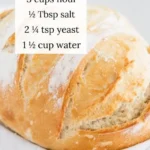
There is something truly special about a loaf of freshly baked sourdough bread. From its beautifully golden, crisp crust to its soft, chewy center and delicate tangy flavor, every slice feels like a little reward for the time and care that goes into making it.
Making sourdough at home may seem intimidating at first, but the process is much simpler than you might imagine. With just four basic ingredients, a little patience, and a few simple techniques, you can create a beautiful artisan-style loaf right in your own kitchen.
Unlike traditional bread recipes that rely on commercial yeast, sourdough rises naturally with the help of an active sourdough starter made from flour and water. This slow fermentation develops its signature flavor, texture, and wonderful aroma.
Whether you’re baking your very first loaf or looking for a reliable everyday sourdough recipe, this beginner-friendly guide will walk you through every step, from mixing the dough to achieving that gorgeous golden crust.
Why You’ll Love This Homemade Sourdough Bread
This recipe is all about simplicity and beautiful results. You don’t need professional baking equipment or a long list of ingredients to make delicious homemade bread.
- Just four simple ingredients: Flour, water, sourdough starter, and salt are all you need.
- Naturally fermented: No commercial yeast is required.
- A beautiful crust: Baking in a Dutch oven creates a crisp, golden exterior.
- Soft and chewy texture: Slow fermentation helps develop the structure and flavor.
- Perfect for everyday meals: Enjoy it with breakfast, sandwiches, soups, or a simple spread of butter.
- Beginner-friendly: Clear instructions make the process approachable, even if you’ve never baked sourdough before.
Ingredients You’ll Need
One of the loveliest things about sourdough is how a handful of everyday ingredients can create something so delicious.
| Ingredient | Amount |
|---|---|
| Active sourdough starter | 100 g |
| Lukewarm water | 375 ml |
| Bread flour | 500 g |
| Fine sea salt | 10 g |
A little ingredient advice: Make sure your sourdough starter is active, bubbly, and recently fed. Unbleached bread flour works particularly well because its protein content helps create a strong gluten structure. For the most consistent results, use a digital kitchen scale rather than measuring flour by cups.
How to Make Homemade Sourdough Bread
Step 1: Mix the Starter and Water
Add the active sourdough starter to a large mixing bowl. Pour in the lukewarm water and stir until the starter is mostly dissolved. The mixture should look slightly cloudy.
Step 2: Add the Flour and Salt
Add the bread flour and sea salt. Mix everything with a sturdy spoon or your hands until no dry flour remains. The dough will feel sticky and look a little rough. That’s perfectly normal.
Step 3: Let the Dough Rest
Cover the bowl and leave the dough to rest for 30–45 minutes. This resting period allows the flour to absorb the water and makes the dough easier to handle.
Step 4: Stretch and Fold
With slightly wet hands, grab one side of the dough, gently stretch it upward, and fold it toward the center. Rotate the bowl and repeat on all four sides.
Cover and rest for 30 minutes. Repeat this process 3–4 times.
With each round, the dough should become smoother, stronger, and more elastic.
Step 5: Bulk Fermentation
Cover the dough and leave it at room temperature for approximately 4–6 hours, depending on your kitchen temperature and starter activity.
Look for a dough that has increased in volume by around 50–75%, with small bubbles along the sides and a slightly domed surface. It should feel lighter and jiggle gently when the bowl is moved.
Remember, sourdough responds to temperature, so follow the dough rather than relying entirely on the clock.
Step 6: Shape the Dough
Lightly flour your work surface and gently transfer the dough onto it. Fold the edges toward the center to create a round shape. Turn it over and gently pull it toward yourself to create surface tension.
Allow it to rest uncovered for 15–20 minutes.
Step 7: Final Shaping and Cold Proofing
Shape the dough into a round or oval loaf, keeping the outer surface smooth and slightly tight. Place it seam-side up in a well-floured banneton basket or a bowl lined with a floured kitchen towel.
Cover and refrigerate for 8–16 hours. This slow cold fermentation develops flavor and makes the dough easier to score before baking.
Step 8: Preheat the Dutch Oven
Place your Dutch oven and its lid inside the oven. Preheat to 450°F (232°C) for 30–45 minutes.
A properly heated Dutch oven helps create the steam needed for a beautiful crust and a good rise.
Step 9: Score and Bake
Carefully turn the chilled dough onto parchment paper. Using a sharp bread lame or razor blade, make one confident slash across the surface, approximately ¼–½ inch deep.
Transfer the dough into the hot Dutch oven, cover with the lid, and bake for 20 minutes.
Remove the lid and bake for another 20–25 minutes, until the crust is a rich golden brown.
Step 10: Cool and Enjoy
Transfer your freshly baked loaf to a wire rack and allow it to cool for at least 1–2 hours before slicing.
It may be tempting to cut into that beautiful loaf immediately, but allowing it to cool helps the crumb finish setting and prevents a gummy texture.
Once cooled, slice, serve, and enjoy every delicious bite!
Tips for Perfect Homemade Sourdough
A few thoughtful details can make a wonderful difference in your baking results.
- Use an active starter: A bubbly starter that rises reliably after feeding is essential for good fermentation.
- Measure by weight: A kitchen scale gives you much more consistent results than measuring flour by volume.
- Be patient with fermentation: Temperature and starter strength affect how quickly your dough rises.
- Don’t over-flour the dough: Sourdough is naturally sticky. Too much extra flour can make your bread dense.
- Allow proper cooling: Give the loaf enough time to set before slicing.
How to Store Homemade Sourdough Bread
Fresh sourdough is best enjoyed within the first two or three days. Store the cooled loaf in a bread bag or keep it cut-side down on a cutting board at room temperature.
For longer storage, slice the bread and place it in a freezer-safe bag. Freeze for up to three months for the best quality. You can toast frozen slices directly or allow them to thaw at room temperature.
Avoid refrigerating sourdough, as this can cause it to become stale more quickly.
What to Serve with Sourdough Bread
A fresh loaf of sourdough is delicious enough to enjoy on its own, but it also pairs beautifully with everyday meals.
- Spread with softened butter and a little sea salt.
- Serve alongside scrambled eggs for a comforting breakfast.
- Make a golden grilled cheese sandwich.
- Pair with homemade tomato soup or creamy vegetable soup.
- Top with mashed avocado and a drizzle of olive oil.
- Turn leftover slices into crunchy homemade croutons.
Frequently Asked Questions
1. Is sourdough bread difficult for beginners?
Not at all! Although sourdough requires patience, the individual steps are simple. Once you understand fermentation and shaping, the process becomes much easier.
2. Can I make sourdough without a Dutch oven?
Yes. You can use a baking stone or heavy baking tray with an appropriate oven-safe method of creating steam.
3. How long does homemade sourdough take?
Allow approximately 18–24 hours or longer, including fermentation, overnight refrigeration, baking, and cooling.
4. Can I use all-purpose flour instead of bread flour?
Yes. However, the texture may be slightly different because all-purpose flour generally contains less protein. You may also need to adjust the water slightly.
5. Why is my sourdough bread dense?
A weak starter, insufficient fermentation, or underdeveloped gluten can result in a dense loaf. Make sure your starter is active and give the dough enough time to ferment.
6. Can I freeze homemade sourdough bread?
Absolutely! Slice the completely cooled loaf, store it in a freezer-safe bag, and freeze for up to three months for the best quality.
Final Thoughts
There is a special kind of satisfaction in making bread from scratch. Watching a simple mixture of flour, water, starter, and salt transform into a beautifully risen loaf is one of those little kitchen pleasures that never gets old.
This easy homemade sourdough bread recipe is a lovely place to begin. Your first loaf may not look like something from a professional bakery, and that’s perfectly fine. Each bake teaches you something new about fermentation, dough texture, and timing.
With a little practice, you’ll soon be creating crusty, golden loaves with a soft, chewy interior and that unmistakable sourdough flavor.
So, feed your starter, prepare your flour, and give homemade sourdough a try. There’s nothing quite like the aroma of freshly baked bread filling your kitchen!